
High Quality Resist Salt (CAS 127-68-4) for Dyes
In the textile and dyeing industry, the efficiency of color application depends heavily on the quality of chemicals used. High Quality Resist Salt (CAS 127-68-4) plays a crucial role in achieving sharp, vibrant, and long-lasting dye results, especially in printing and discharge techniques. Whether you work with reactive dyes, vat dyes, or disperse dyes, choosing the right resist salt can significantly improve color fastness and overall consistency.
Why High Quality Resist Salt (CAS 127-68-4) Matters
Using high-quality resist salt ensures optimal performance in dyeing applications. Low-grade salts may contain impurities such as heavy metals or moisture, which can affect color vibrancy or cause uneven dyeing.
Benefits of High-Quality Resist Salt
- Improved color fastness
- Enhanced control over dye penetration
- Better compatibility with various dye types
- Minimal residue formation
- Higher production efficiency
How Resist Salt (CAS 127-68-4) Works in Dyeing
Resist salt creates a chemical barrier on the textile surface. When applied to specific fabric areas, it blocks or slows down the dyeing reaction. This makes it highly effective in resist printing, discharge printing, tie-dye patterns, and selective dyeing techniques.
Its performance depends on factors such as particle size, purity level, moisture content, and solubility in dye baths. High-grade resist salt dissolves quickly and uniformly, ensuring stable results throughout the dyeing cycle.
Applications of Resist Salt (CAS 127-68-4) in the Textile Industry
- Reactive Dyeing: Used to maintain consistent shades by controlling dye fixation.
- Vat Dye Printing: Helps achieve bright, clean, and detailed designs.
- Tie and Dye: Prevents unwanted color spread while enhancing pattern clarity.
- Discharge Printing: Allows selective removal or reduction of color in prints.
- Digital and Screen Printing: Improves precision and reduces color bleeding on cotton, polyester, silk, and blended fabrics.
How to Choose High Quality Resist Salt (CAS 127-68-4)
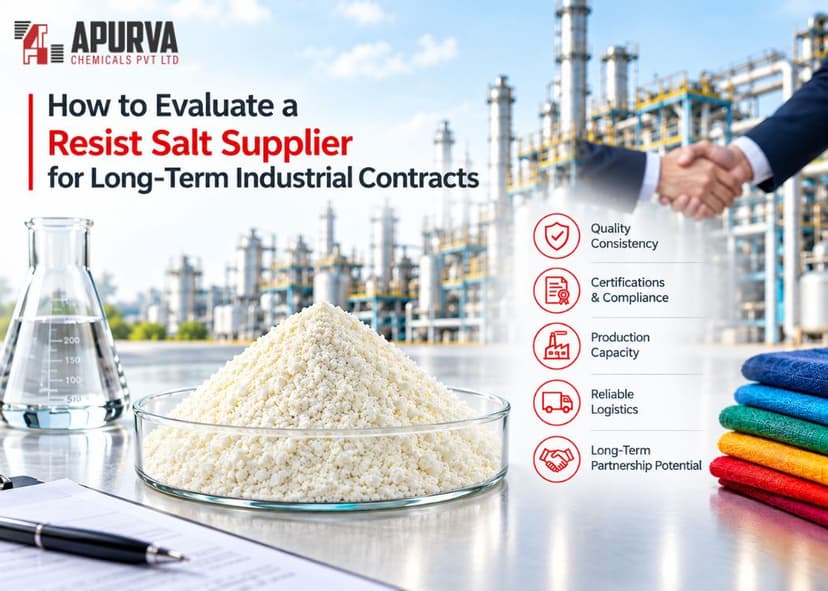
When selecting resist salt for industrial dyeing, consider the following factors:
- Purity level
- Moisture content
- Physical form and crystal size
- Compatibility with dye types
- Reliability of the supplier
Best Practices for Using Resist Salt (CAS 127-68-4)
- Store in a cool, dry place to avoid moisture absorption.
- Follow recommended dosage levels.
- Test on small samples before large-scale production.
- Ensure complete dissolution for consistent results.
Conclusion
High-quality resist salt for dyes is essential for producing clean, vibrant, and long-lasting textile designs. By selecting a reliable grade and applying it properly, manufacturers can enhance productivity, reduce defects, and deliver excellent printing and dyeing results.
If you want, I can also provide a shorter version, add FAQs, or optimize this blog for specific keywords.