Resist Salt (CAS 127-68-4) Manufacturer & Supplier in India MSDS (Material Safety Data Sheet) or SDS, COA and Specs
Resist Salt (CAS 127-68-4) Manufacturer & Supplier in India
Resist Salt (CAS 127-68-4) is a widely used dye intermediate and reducing agent for textile dyeing, printing, and chemical processing. It helps prevent oxidation, improve dye stability, and ensure consistent color development. Apurva Chemicals is a trusted Resist Salt Manufacturer in India, offering high-quality products for reliable industrial applications.
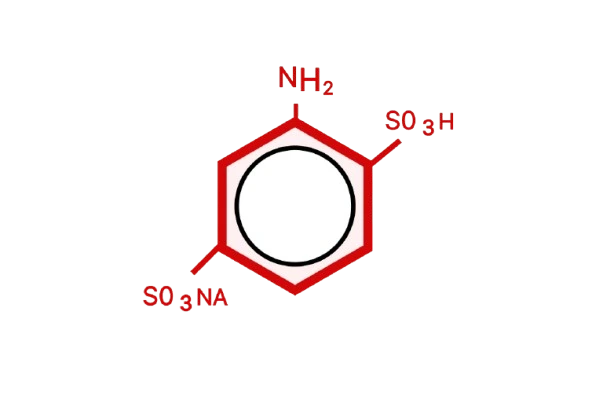
| CAS No. | 127-68-4 |
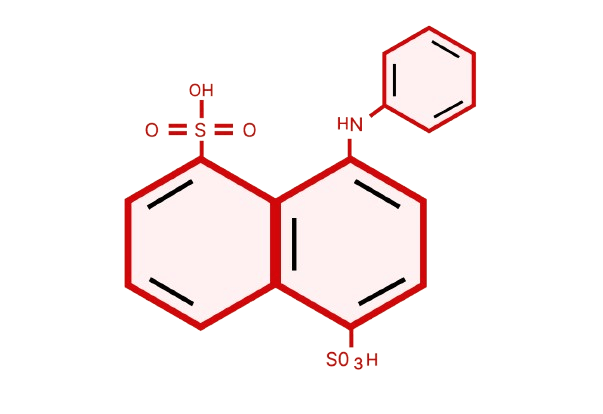
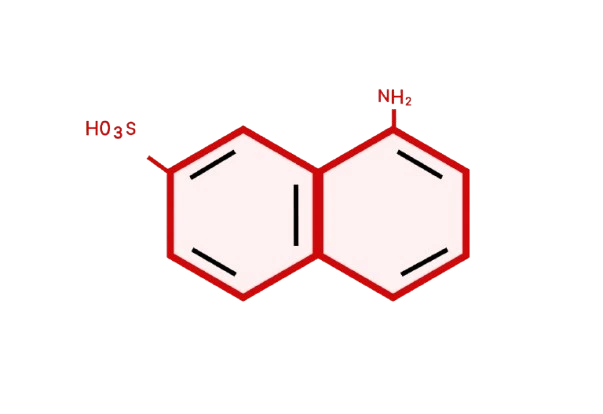
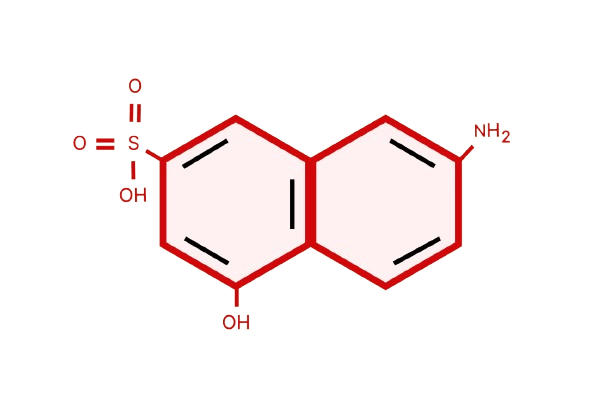
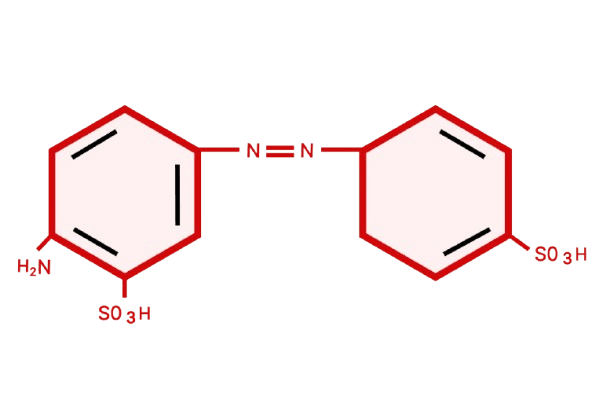
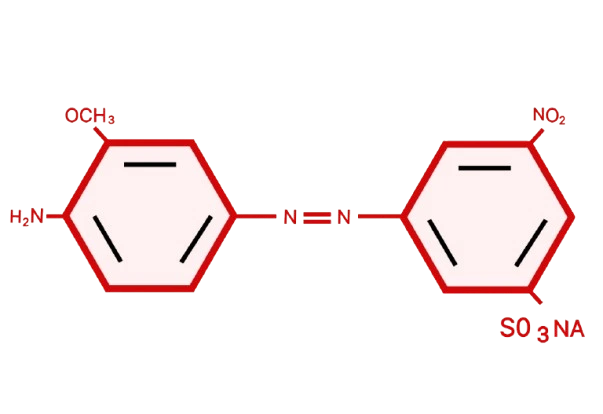
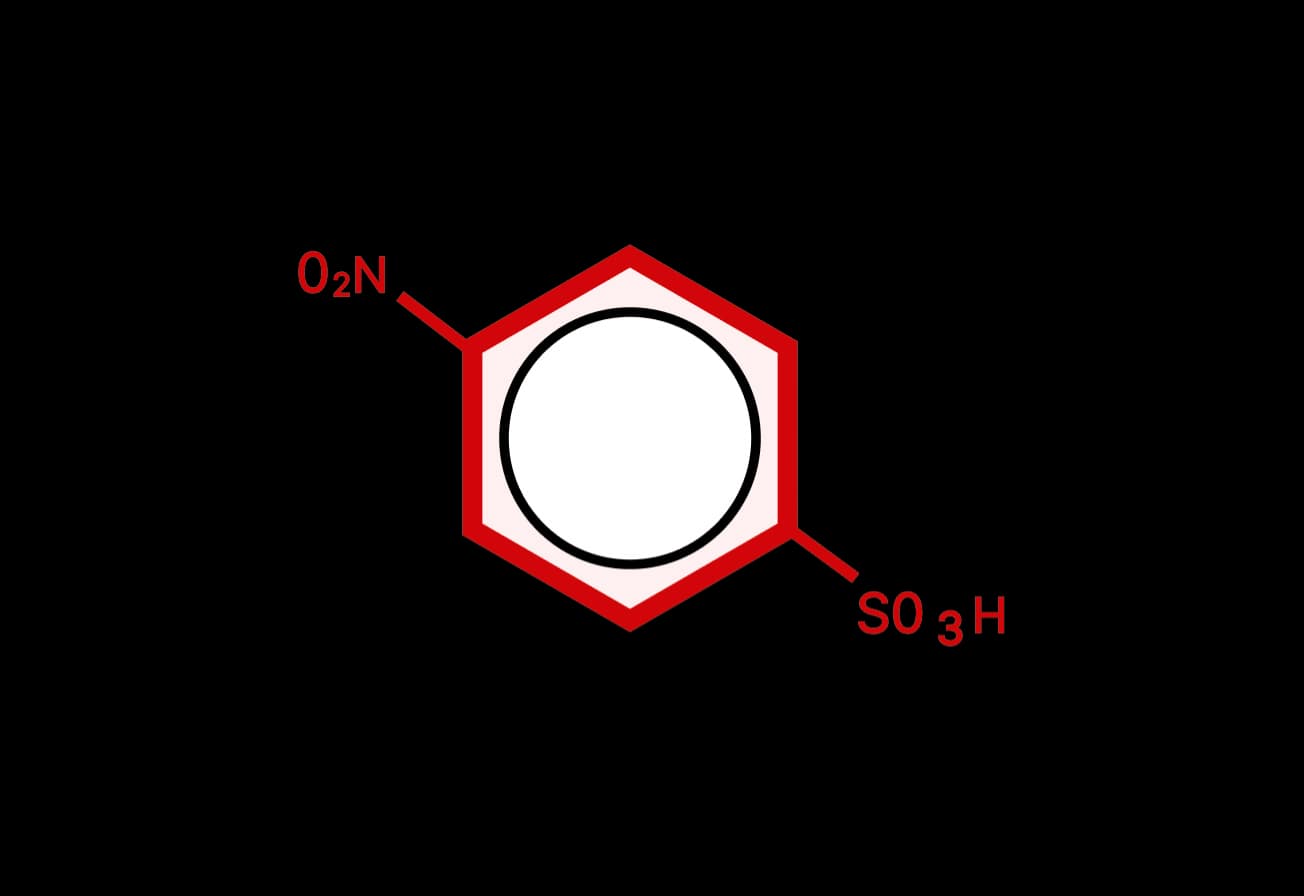
| Formula | C₆H₄NNaO₅S |
| Assay (Method) | 99.0% Min (By GC/HPLC) |
| Molecular Weight | 226.1544 |
| Appearance | Off-white to light yellow powder or granules |
| Application | Textile dyeing & printing, dyes intermediate, textile auxiliaries, chemical processing |
| Packaging | 25 kg HDPE bags (Bulk packaging available) |
| MOQ | 25 KG |
| Lead Time | 7 to 15 Days (Depending on Location) |
| Synonym |
|
What is Resist Salt?
Resist Salt is a chemical intermediate and reducing agent identified by CAS 127-68-4. It is commonly used in textile dyeing, printing, and dye manufacturing processes to prevent unwanted oxidation reactions. By improving dye stability and color consistency, Resist Salt helps manufacturers achieve better production efficiency, reduced waste, and higher-quality finished products.
Why Resist Salt Matters
The textile and dye industries face constant challenges related to color inconsistency, oxidation damage, production inefficiencies, and material waste.
Industry Challenges
Manufacturers often encounter:
Premature oxidation during dye processing.
Inconsistent color shades.
Production losses due to rejected batches.
Reduced dye performance.
Process inefficiencies affecting profitability.
Problems Solved
Resist Salt helps control oxidation reactions that can negatively impact dye quality and manufacturing outcomes.
Business Benefits
Improved color consistency.
Better product quality.
Reduced material waste.
Enhanced manufacturing efficiency.
Lower production costs through improved process control.
Operational Advantages
Reliable performance across production batches.
Improved dye stability.
Reduced reprocessing requirements.
Greater manufacturing consistency.
Key Features and Benefits
Effective Oxidation Control
Resist Salt functions as a reducing agent that helps prevent unwanted oxidation during textile processing.
Why It Matters: Oxidation can negatively affect dye quality and color development.
Business Benefit: Improved product consistency and reduced production losses.
Consistent Dye Performance
The product helps maintain stable dye behavior throughout manufacturing operations.
Why It Matters: Consistency is critical in commercial textile production.
Business Benefit: Better color reproducibility and improved customer satisfaction.
High Purity Standards
Manufactured under controlled quality processes, Resist Salt offers dependable performance.
Why It Matters: High-purity materials help minimize process variability.
Business Benefit: Enhanced manufacturing reliability and quality assurance.
Improved Color Stability
Resist Salt supports controlled dye reactions, helping maintain intended color characteristics.
Why It Matters: Color accuracy is essential for textile and printing applications.
Business Benefit: Reduced shade variation and improved product acceptance rates.
Broad Application Compatibility
The product is suitable for various dye systems and textile processing methods.
Why It Matters: Manufacturers often work with multiple formulations.
Business Benefit: Greater operational flexibility and process adaptability.
Supports Efficient Manufacturing
By minimizing oxidation-related issues, Resist Salt helps streamline production workflows.
Why It Matters: Process interruptions can increase costs and reduce productivity.
Business Benefit: Improved operational efficiency and resource utilization.
Reliable Storage Stability
When stored under recommended conditions, Resist Salt maintains its performance characteristics.
Why It Matters: Stable materials simplify inventory management.
Business Benefit: Better supply chain planning and reduced material losses.
Supports Sustainable Production
Efficient process control helps reduce rejected batches and optimize resource consumption.
Why It Matters: Sustainability is increasingly important across industrial sectors.
Business Benefit: Improved operational sustainability and cost management.
Applications of Resist Salt
Industrial Applications
Textile Dyeing
Resist Salt is widely used during textile dyeing processes to prevent oxidation and maintain dye quality.
Why It Is Used:
To ensure consistent color development and stable dye performance.
Expected Benefits:
Better color consistency.
Improved dye utilization.
Reduced production defects.
Common Use Cases:
Cotton dyeing.
Yarn dyeing.
Fabric processing.
Dye Manufacturing
Dye manufacturers use Resist Salt during synthesis and formulation processes.
Expected Benefits:
Controlled chemical reactions.
Improved product quality.
Consistent production outcomes.
Commercial Applications
Textile Printing
Printing facilities use Resist Salt to support color development and maintain print quality.
Expected Benefits:
Improved print consistency.
Better color accuracy.
Reduced rework requirements.
Specialty Chemical Processing
The product is used in selected chemical formulations where oxidation control is required.
Expected Benefits:
Stable process performance.
Reliable formulation outcomes.
Improved manufacturing efficiency.
Infrastructure Applications
Large-Scale Textile Manufacturing Facilities
Industrial textile plants use Resist Salt to support continuous production operations.
Expected Benefits:
Consistent manufacturing quality.
Reliable operational performance.
Reduced production downtime.
Specialized Applications
Research and Development
Chemical and textile laboratories utilize Resist Salt during product development and process optimization.
Expected Benefits:
Accurate testing.
Improved formulation development.
Better process evaluation.
Specialty Dye Formulations
The product supports advanced dye systems requiring controlled oxidation management.
Expected Benefits:
Enhanced formulation stability.
Improved product performance.
Greater manufacturing flexibility.
Industries Served
Textile Manufacturing
One of the largest users of Resist Salt due to its role in dyeing and textile processing operations.
Dye and Pigment Industry
Manufacturers utilize Resist Salt to improve production quality and process consistency.
Chemical Manufacturing
Used in specialty chemical processes requiring oxidation control and stable reaction conditions.
Printing Industry
Supports textile and industrial printing applications through improved color management.
Research and Development
Used in laboratories focused on textile chemistry and specialty formulation development.
Specialty Chemicals
Supports production processes that require reliable reducing agents and oxidation inhibitors.
Technical Considerations
Perfor...
Scientific References & Citations
Export & Application Case Studies
European Textile Manufacturer
- Destination: Germany
- Volume: 5,000 KG / Monthly
Consistent supply of high-purity dye intermediates ensuring batch-to-batch color consistency for premium textile dyeing. Met stringent EU REACH compliance and heavy metal limits.
Agrochemical Synthesizer
- Destination: Japan
- Volume: 12,000 KG / Quarter
Custom packaging in moisture-proof UN approved bags and strict adherence to moisture content limits <0.5% for sensitive agrochemical synthesis workflows.