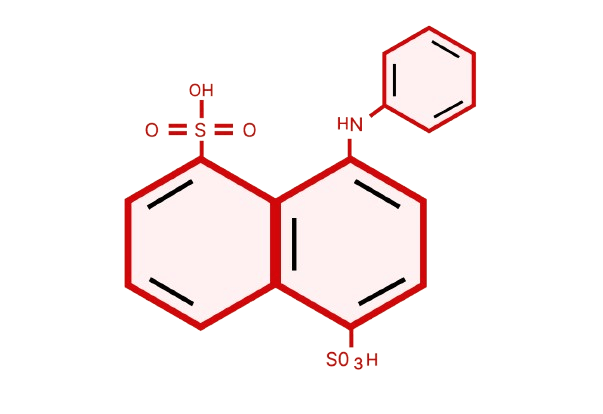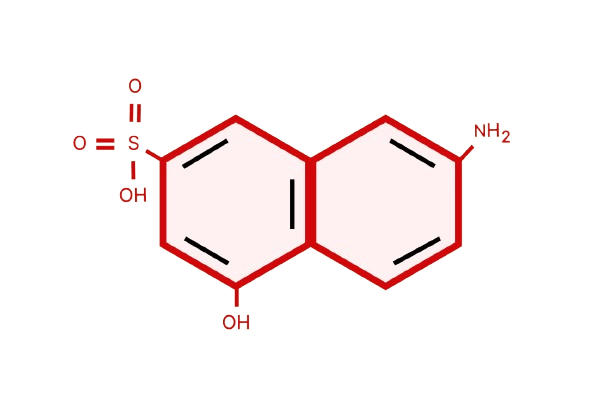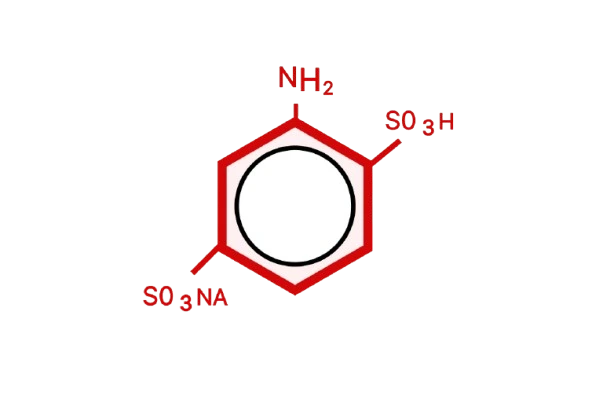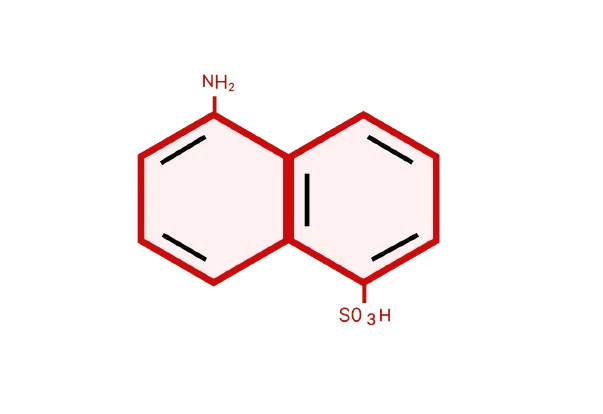
1,7-Cleve's Acid (CAS 119-28-8) Manufacturer & Supplier in India MSDS (Material Safety Data Sheet) or SDS, COA and Specs
1,7-Cleve's Acid (CAS 119-28-8) Manufacturer & Supplier in India
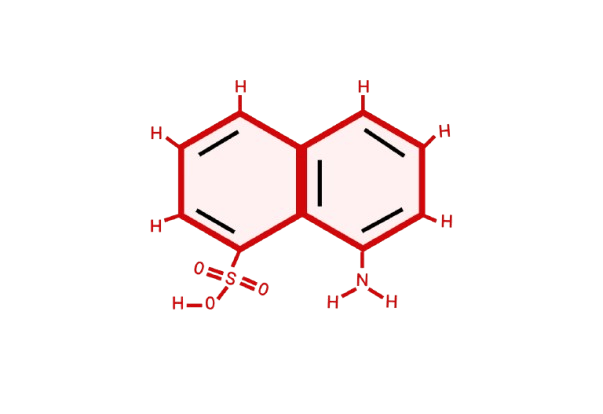
1,7-Cleve’s Acid (CAS 119-28-8) is a key dye intermediate used in dyes, pigments, optical brighteners, and specialty chemicals. As a trusted 1,7-Cleve’s Acid manufacturer in India, Apurva Chemicals supplies high-purity material for consistent quality, efficient production, and reliable industrial performance.
| CAS No. | 119-28-8 |
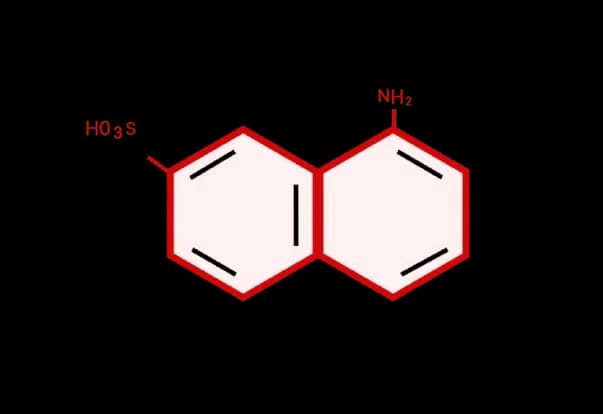
| Formula | C10H9NO3S |
| Assay (Method) | 99.0% Min (By GC/HPLC) |
| EINECS | 204-311-4 |
| Molecular Weight | 223.25 |
| Appearance | White to off white solid |
| Packaging | 25 KG / 50 KG HDPE Drums or UN Approved Bags |
| MOQ | 25 KG |
| Lead Time | 7 to 15 Days (Depending on Location) |
What is 1,7-Cleve’s Acid?
1,7-Cleve’s Acid is a chemical intermediate identified by CAS 119-28-8 and commonly used in the manufacture of dyes, pigments, optical brighteners, and specialty chemicals. It acts as a key raw material in industrial synthesis processes where purity, reaction consistency, and product quality are essential for successful large-scale production.
Why 1,7-Cleve’s Acid Matters
The dye and specialty chemical industries depend on reliable intermediates to maintain production efficiency and product quality.
Industry Challenges
Manufacturers frequently encounter challenges such as:
Inconsistent raw material quality.
Process variability during synthesis.
Maintaining color consistency in dyes and pigments.
Achieving reliable production yields.
Meeting evolving customer and regulatory requirements.
Problems Solved
1,7-Cleve’s Acid helps manufacturers overcome these challenges by providing a dependable intermediate that supports controlled chemical reactions and consistent production outcomes.
Business Benefits
Improved manufacturing consistency.
Enhanced product quality.
Better process control.
Reduced production risks.
Increased operational reliability.
Operational Advantages
Suitable for commercial-scale production.
Compatible with various chemical processes.
Supports product innovation initiatives.
Facilitates efficient manufacturing workflows.
Key Features and Benefits
High Purity Composition
1,7-Cleve’s Acid is manufactured under controlled quality standards to ensure consistent chemical characteristics.
Why It Matters: Purity influences reaction efficiency and final product performance.
Business Benefit: Reduced batch variation and improved manufacturing consistency.
Essential Dye Intermediate
The product serves as a valuable raw material in the production of advanced dyes and colorants.
Why It Matters: High-quality intermediates contribute directly to superior dye performance.
Business Benefit: Consistent product quality and improved customer satisfaction.
Reliable Chemical Reactivity
Its molecular structure supports predictable participation in industrial synthesis processes.
Why It Matters: Controlled reactions improve manufacturing efficiency.
Business Benefit: Reduced production disruptions and enhanced process stability.
Consistent Batch-to-Batch Quality
Stringent quality control practices help maintain product uniformity.
Why It Matters: Consistency is critical for large-scale industrial manufacturing.
Business Benefit: Reliable production outcomes and reduced quality concerns.
Broad Industrial Applicability
1,7-Cleve’s Acid can be utilized across multiple chemical manufacturing sectors.
Why It Matters: Versatile materials offer greater operational flexibility.
Business Benefit: Expanded application opportunities and improved production adaptability.
Supports Specialty Chemical Development
The product contributes to the formulation of advanced chemical products and specialty compounds.
Why It Matters: Innovation requires dependable intermediate materials.
Business Benefit: Enhanced product development capabilities.
Efficient Supply Chain Integration
The product is widely recognized throughout global chemical markets.
Why It Matters: Consistent supply helps maintain uninterrupted production schedules.
Business Benefit: Better inventory management and procurement planning.
Supports Sustainable Manufacturing
Reliable intermediates contribute to efficient resource utilization and reduced production waste.
Why It Matters: Sustainability continues to influence industrial manufacturing decisions.
Business Benefit: Improved operational efficiency and responsible production practices.
Applications of 1,7-Cleve’s Acid
Industrial Applications
Dye Manufacturing
1,7-Cleve’s Acid is widely used in the synthesis of various dyes and colorant intermediates.
Why It Is Used:
Its chemical properties make it suitable for producing complex dye structures.
Expected Benefits:
Improved dye quality.
Consistent color performance.
Reliable manufacturing outcomes.
Common Use Cases:
Textile dyes.
Industrial colorants.
Specialty dye formulations.
Pigment Manufacturing
The product serves as an intermediate in the production of specific pigment systems.
Expected Benefits:
Consistent pigment quality.
Better process control.
Reliable manufacturing performance.
Commercial Applications
Optical Brightener Production
1,7-Cleve’s Acid contributes to the manufacture of optical brightening agents used in textiles and paper products.
Expected Benefits:
Improved brightness performance.
Consistent formulation quality.
Enhanced end-product appearance.
Specialty Chemical Formulations
Chemical manufacturers use the product in specialized industrial formulations.
Expected Benefits:
Reliable synthesis performance.
Greater formulation flexibility.
Consistent product quality.
Infrastructure Applications
Industrial Coating and Material Systems
Certain specialty pigments and colorants derived from chemical intermediates support industrial coating technologies.
Expected Benefits:
Consistent formulation quality.
Reliable manufacturing control.
Enhanced industrial application performance.
Specialized Applications
Research and Development
Laboratories utilize 1,7-Cleve’s Acid during chemical synthesis studies and formulation development.
Expected Benefits:
Accurate experimental results.
Improved process optimization.
Enhanced innovation capabilities.
Advanced Chemical Synthesis
The product is used in specialty synthesis pathways requiring aromatic sulfonic acid intermediates.
Expected Benefits:
Controlled reactions.
Consistent product development.
Improved manufacturing reliability.
Industries Served
Chemical Manufacturing
Used extensively by chemical producers manufacturing specialty compounds and industrial intermediates.
Dye and Pigment Industry
One of the primary sectors utilizing 1,7-Cleve’s Acid for colorant production.
Textile Industry
Supports dye systems used in textile coloration and processing applications.
Paper Industry
Contributes indirectly through optical brightening agents used in paper enhancement.
Printing Industry
Supports the development of specialty colorants utilized in printing applications.
Research and Specialty Chemicals
Widely utilized in laboratories and advanced chemical development programs.
Technical Considerations
Performance Factors
Performance depends on purity levels, reaction conditions, process requirements, and manufacturing controls.
Selection Criteria
When evaluating 1,7-Cleve’s Acid, buyers should consider:
Product purity.
Quality assurance procedures.
Manufacturing consistenc...
Scientific References & Citations
Export & Application Case Studies
European Textile Manufacturer
- Destination: Germany
- Volume: 5,000 KG / Monthly
Consistent supply of high-purity dye intermediates ensuring batch-to-batch color consistency for premium textile dyeing. Met stringent EU REACH compliance and heavy metal limits.
Agrochemical Synthesizer
- Destination: Japan
- Volume: 12,000 KG / Quarter
Custom packaging in moisture-proof UN approved bags and strict adherence to moisture content limits <0.5% for sensitive agrochemical synthesis workflows.