What Global Buyers Look for in Dye Intermediate Manufacturers India
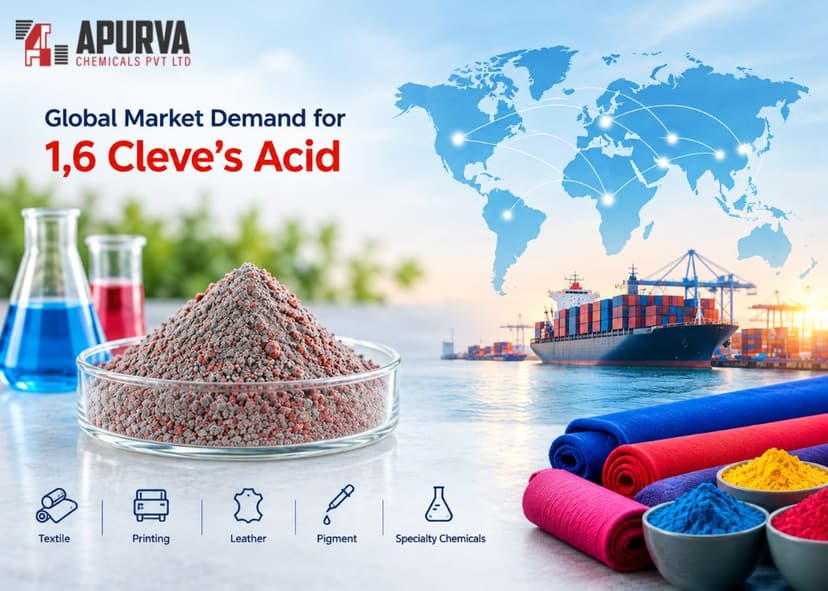
India has become one of the world's most important chemical manufacturing hubs, supplying a wide range of products to global markets. Among these products, dye intermediates play a crucial role in industries such as textiles, pigments, coatings, printing inks, plastics, and specialty chemicals.
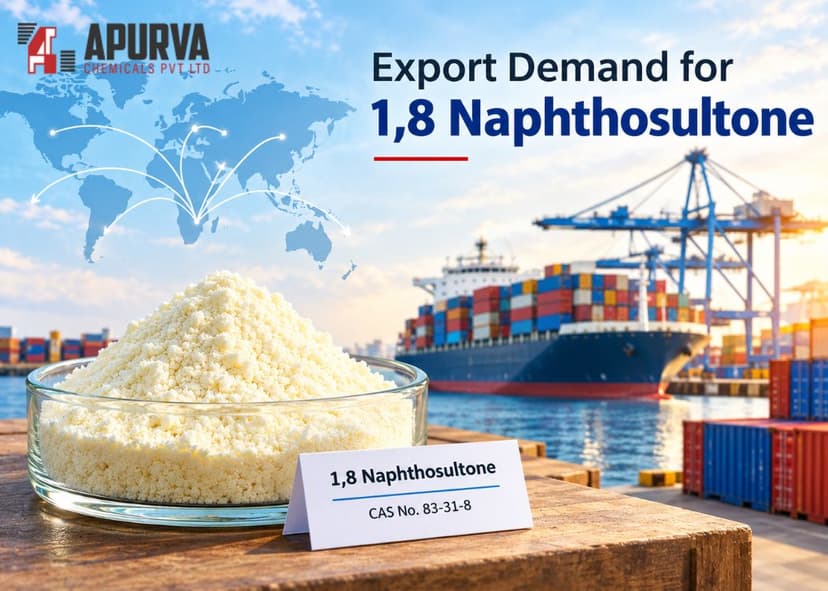
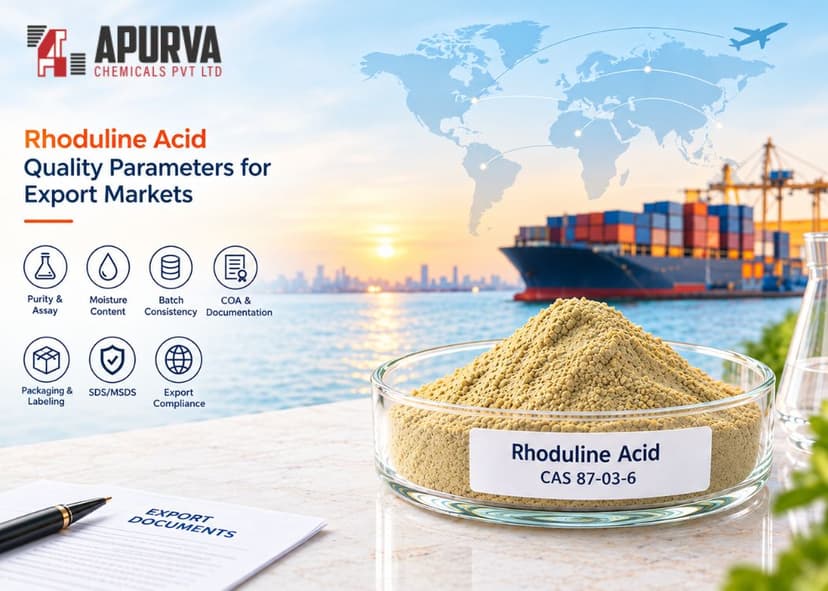
As international businesses seek reliable sourcing partners, dye intermediate manufacturers India have gained recognition for their manufacturing capabilities, technical expertise, and export infrastructure.
However, global buyers do not choose suppliers based solely on price. Modern procurement teams evaluate manufacturers using a comprehensive set of criteria that includes product quality, compliance, sustainability, technical support, and long-term reliability.
This article explores what international buyers look for when selecting Indian dye intermediate manufacturers and how suppliers can meet evolving market expectations.
Why Is India a Preferred Source for Dye Intermediates?
India's chemical sector has experienced significant growth over the last two decades.
Key Advantages
Advanced manufacturing infrastructure
Strong export capabilities
Skilled technical workforce
Competitive production costs
Growing focus on sustainability
Established global supply chains
These strengths have positioned India as a strategic sourcing destination for multinational companies.
How Global Buyers Evaluate Dye Intermediate Manufacturers India
International procurement teams typically follow a structured evaluation process before approving suppliers.
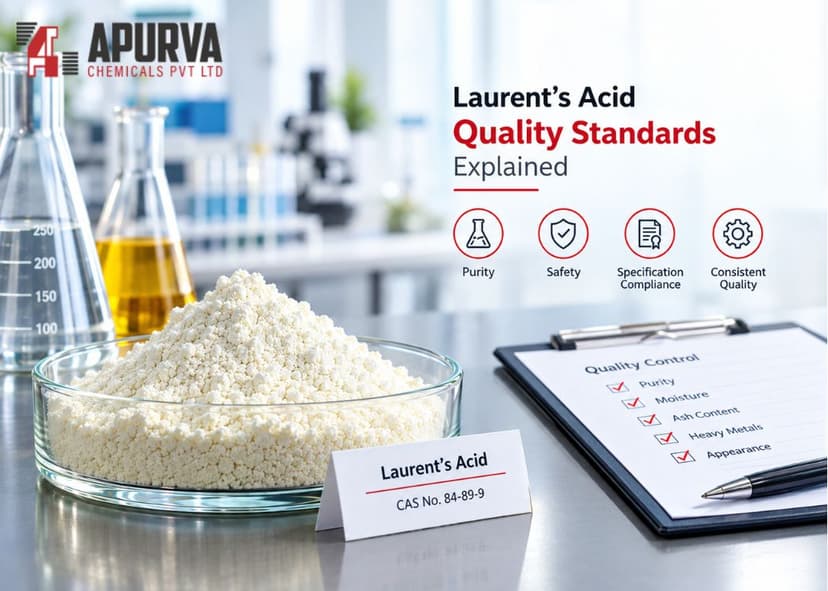
1. Product Quality and Consistency
Quality remains the most important factor influencing purchasing decisions.
Global buyers seek manufacturers that can consistently deliver products meeting precise specifications.
Quality Evaluation Includes
Purity levels
Batch-to-batch consistency
Chemical composition
Product stability
Performance testing
Common Documentation Requested
Certificate of Analysis (COA)
Technical Data Sheets (TDS)
Product Specifications
Laboratory Reports
Consistent quality helps reduce production risks and improve end-product performance.
2. Manufacturing Capabilities and Infrastructure
Buyers often assess the manufacturer's production facilities before establishing long-term partnerships.
What Buyers Review
Production capacity
Process automation
Manufacturing technology
Research and development capabilities
Quality control laboratories
Modern facilities typically indicate stronger process control and scalability.
3. Regulatory Compliance and Certifications
Compliance has become a critical requirement in global chemical sourcing.
Important Certifications
Certification | Purpose |
ISO 9001 | Quality Management |
ISO 14001 | Environmental Management |
REACH Compliance | European Market Access |
RoHS Compliance | Restricted Substance Control |
GMP Practices | Manufacturing Consistency |
4. Supply Chain Reliability
Reliable supply chains have become increasingly important following recent global disruptions.
Buyers evaluate:
Production capacity
Inventory management
Lead times
Export experience
Logistics capabilities
Why It Matters
Reliable suppliers help buyers:
Prevent production delays
Reduce inventory risks
Improve forecasting
Maintain customer commitments
5. Technical Expertise and Support
Global buyers often require more than just product delivery.
They seek suppliers capable of providing technical guidance and problem-solving support.
Valuable Services Include
Product recommendations
Application support
Formulation assistance
Technical documentation
Process optimization advice
Technical collaboration can improve manufacturing outcomes and reduce operational challenges.
6. Sustainability and Environmental Responsibility
Environmental performance increasingly influences supplier selection.
Many international brands have sustainability targets that extend throughout their supply chains.
Areas of Evaluation
Waste management practices
Water conservation initiatives
Energy efficiency programs
Emission reduction measures
Responsible sourcing policies
Manufacturers investing in sustainable practices often gain competitive advantages.
7. Cost Competitiveness and Total Value
Although price remains important, sophisticated buyers focus on total value rather than lowest cost.
Total Value Includes
Product quality
Consistency
Compliance
Delivery reliability
Technical support
Sustainability performance
The lowest price may not provide the lowest overall cost when quality issues or supply disruptions occur.
8. Transparency and Communication
Clear communication strengthens buyer-supplier relationships.
Global procurement teams appreciate manufacturers that provide:
Timely updates
Transparent documentation
Responsive customer support
Accurate production schedules
Regulatory information
Supplier Evaluation Checklist Used by Global Buyers
Evaluation Factor | Importance |
Product Quality | Critical |
Manufacturing Capacity | Critical |
Regulatory Compliance | High |
Supply Reliability | High |
Technical Expertise | High |
Sustainability | High |
Communication | Medium-High |
Cost Competitiveness | Medium |
This framework helps buyers compare potential suppliers objectively.
Common Mistakes Buyers Should Avoid
Choosing Based Only on Price: Low-cost suppliers may not consistently meet quality requirements.
Ignoring Compliance Verification: Incomplete compliance checks can create legal and operational risks.
Failing to Conduct Supplier Audits: Site visits and assessments help verify manufacturing capabilities.
Overlooking Future Capacity: Suppliers should be capable of supporting long-term growth.
Depending on a Single Source: Diversified sourcing strategies improve supply chain resilience.
Industries That Depend on Dye Intermediate Manufacturers India
Indian manufacturers supply products to numerous sectors.
Major Industries Served
Textile Manufacturing
Pigment Manufacturing
Printing Ink Production
Paints and Coatings
Plastics Processing
Specialty Chemicals
Many global companies rely on Indian suppliers as strategic partners within their procurement networks.
What Makes an Ideal Dye Intermediate Manufacturer?
The most successful manufacturers typically demonstrate:
Consistent product quality
Strong quality control systems
Global compliance capabilities
Sustainable manufacturing practices
Technical expertise
Reliable logistics support
Long-term partnership approach
These attributes help buyers reduce risk and improve operational efficiency.
Why Buyers Continue to Choose Indian Chemical Manufacturers
India's chemical industry continues to expand due to ongoing investments in manufacturing technology, environmental compliance, and export infrastructure.
Companies such as Apurva Chemicals exemplify this approach by emphasizing quality-focused manufacturing, customer support, and long-term supply reliability for global markets.
Conclusion
Global buyers evaluating dye intermediate manufacturers India prioritize much more than competitive pricing. Product quality, consistency, regulatory compliance, sustainability, technical expertise, and supply reliability all play significant roles in supplier selection.
As international markets continue evolving, manufacturers that invest in quality systems, environmental responsibility, and customer-focused service will remain well-positioned to build lasting partnerships with buyers worldwide.
Looking for a Reliable Dye Intermediate Manufacturing Partner?
Apurva Chemicals supports customers with quality-driven manufacturing, technical expertise, and dependable supply solutions designed to meet the expectations of global industries.