

Sustainability Trends in the Dye Intermediate Industry
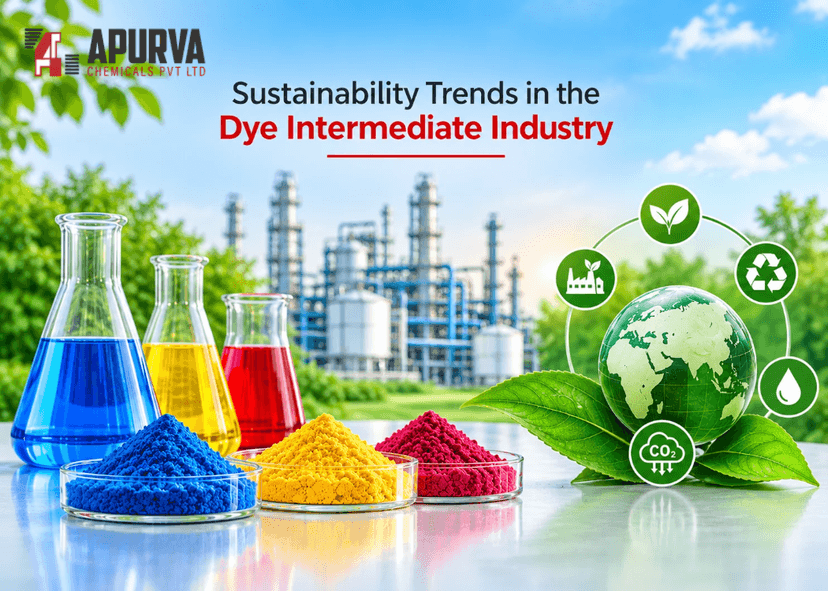
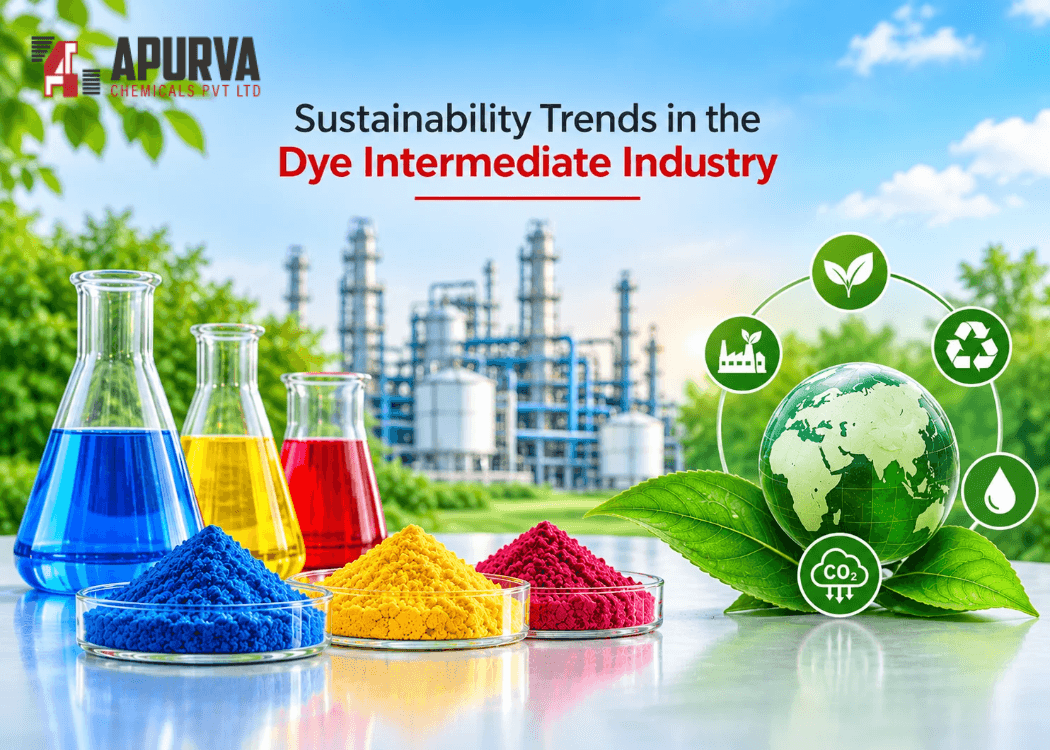
Sustainability Trends in the Dye Intermediate Industry
Sustainability is becoming an important consideration across the chemical manufacturing sector. Growing expectations around resource efficiency, waste management and environmental responsibility are encouraging manufacturers to adopt cleaner production methods and responsible chemical management.
Dye intermediates are essential raw materials used to produce dyes, pigments and other colour-related chemicals. Their manufacturing involves chemical reactions, raw materials, water and energy consumption. For dye intermediates manufacturers, improving process efficiency while maintaining product quality is therefore an important part of sustainable manufacturing.
This article explores the major sustainability trends influencing the dye intermediate industry and their relevance to manufacturers and industrial buyers.
Green Chemistry Is Influencing Chemical Manufacturing
Green chemistry focuses on reducing environmental impact during chemical development and production rather than relying only on waste treatment after manufacturing.
In the dye intermediate industry, this can involve:
Improved reaction efficiency: Optimising reaction conditions to improve material utilisation and reduce losses.
Responsible solvent selection: Evaluating alternatives that may reduce environmental and handling concerns.
Reduced hazardous inputs: Exploring technically suitable alternatives to materials with greater environmental or occupational risks.
Process optimisation: Reducing unnecessary reaction stages, energy requirements and material consumption.
Any process change must be evaluated carefully to ensure product specifications and safety requirements are maintained. For dye intermediates manufacturers, green chemistry offers an approach to balancing production efficiency with environmental responsibility.
Water Management Is a Key Sustainability Priority
Water is used in chemical manufacturing for processing, washing, cooling and equipment cleaning. Depending on the manufacturing route, these activities may generate wastewater containing chemicals, salts and other process-related substances.
Manufacturers can improve water management through:
Water consumption monitoring: Tracking usage to identify opportunities for reduction.
Wastewater treatment: Treating wastewater according to applicable environmental requirements.
Reuse and recycling: Reusing treated water in suitable non-product-contact applications where technically and legally permitted.
Leakage control: Inspecting equipment to prevent avoidable water losses.
Effective water management requires suitable infrastructure, regular monitoring and compliance with applicable discharge standards. The objective is to conserve resources without compromising product quality or operational safety.
Energy Efficiency Supports Cleaner Production
Chemical manufacturing may require energy for heating, cooling, agitation, drying and other operations. Improving energy efficiency can help manufacturers manage operating costs and reduce the environmental impact associated with energy consumption.
Some practical approaches include:
Using appropriately sized, energy-efficient motors, pumps and boilers.
Recovering process heat wherever technically suitable.
Monitoring energy consumption across production stages.
Maintaining equipment through preventive maintenance.
Considering renewable energy sources such as solar power where infrastructure permits.
Consistent improvements in routine operations can contribute to more efficient manufacturing.
Waste Reduction and Resource Recovery
Chemical production uses several raw materials, and not all inputs become part of the final product. Depending on the process, waste may include residues, spent solvents, packaging materials and wastewater.
Manufacturers can support better waste management through:
Better material utilisation: Reviewing raw material consumption and process yields to identify avoidable losses.
Recovery and reuse: Evaluating whether suitable solvents, water streams or other materials can be recovered.
Waste segregation: Separating waste streams for appropriate handling and disposal.
Inventory management: Using proper storage and stock rotation to prevent material deterioration.
The circular economy also encourages industries to keep materials useful for longer. The United Nations Industrial Development Organization (UNIDO) recognises resource efficiency, recycling and waste prevention as important elements of cleaner industrial production.
These practices require suitable technical controls and compliance with applicable waste management regulations.
Responsible Raw Material Selection
Raw material selection affects product quality, process efficiency, waste generation, handling requirements and the environmental footprint of manufacturing.
Chemical manufacturers should consider:
Technical and safety characteristics of raw materials.
Alternatives that may reduce hazardous inputs.
Material consumption and reaction efficiency.
Consistency of incoming raw material specifications.
Supplier documentation, quality systems and responsible sourcing practices.
An alternative raw material should not be selected solely because it is described as environmentally friendly. Chemical compatibility, product quality, process safety and regulatory requirements must also be evaluated.
For buyers sourcing from dye intermediates manufacturers in India, understanding raw material specifications and manufacturing controls can support informed procurement decisions.
What Buyers Should Look for in Sustainable Chemical Suppliers
Industrial buyers also influence sustainability through their purchasing requirements and supplier evaluation processes. When sourcing dyes and dye intermediates, procurement teams can consider:
Manufacturing transparency: Ask for relevant information about manufacturing processes, quality controls and environmental management.
Technical documentation: Review product specifications, Safety Data Sheets (SDS) and Certificates of Analysis (COA).
Packaging practices: Discuss packaging materials, product protection and suitable bulk packaging options.
Waste and quality management: Look for verifiable information about product consistency, waste handling and material management.
Supply chain reliability: Evaluate supply planning and material handling to help reduce production interruptions and avoidable losses.
For additional information about product quality and sourcing, read Apurva Chemicals' article on Dye Intermediate Quality and Final Dye Performance.
How Sustainability Is Shaping the Future of the Dye Intermediate Industry
The future of the dye and dye intermediate industry will depend on balancing production requirements with environmental responsibility. Important developments include:
Greater adoption of cleaner chemical production technologies.
Increased attention to water and energy consumption.
Better monitoring of chemical processes and waste generation.
Improved raw material utilisation.
Greater traceability and environmental documentation.
Growing interest in responsible sourcing among international buyers.
Digital monitoring and process automation may also help manufacturers identify inefficiencies and improve control over production operations.
Sustainable manufacturing requires continuous evaluation of production methods, infrastructure, material usage and environmental management. For dye intermediate manufacturers, the focus is on identifying measurable improvements while maintaining the specifications and consistency required by downstream industries.
How Apurva Chemicals Supports Industrial Dye Intermediate Requirements
Established in 1988, Apurva Chemicals is an ISO 9001:2015 certified manufacturer, supplier and exporter of dye intermediates and industrial chemicals in India.
Based in Vapi, Gujarat, the company serves industrial requirements through its product portfolio, supported by a quality control laboratory and a dedicated Research and Development team.
Its product range includes:
Resist Salt – Used in dye manufacturing applications.
Rhoduline Acid – A specialty intermediate used in dye production.
Metanilic Acid – An important intermediate for azo dye manufacturing.
Cleve’s Acid – Used in the production of various dye intermediates and dyes.
Peri Acid – A key intermediate used in specialty dye manufacturing.
Other Specialty Intermediates – Products serving diverse industrial requirements.
Apurva Chemicals focuses on product quality, technical capabilities and customer requirements. Buyers can explore the complete product portfolio to review available dye intermediates.
Conclusion
Sustainability in the dye intermediate industry involves more than a general environmental commitment. Green chemistry, efficient water and energy management, waste reduction, responsible raw material selection and better supply chain practices are influencing manufacturing decisions.
Manufacturers can contribute through practical process improvements, while industrial buyers can evaluate suppliers based on technical documentation, manufacturing practices and supply chain transparency.
As the industry evolves, dye intermediates manufacturers in India and other manufacturing regions will need to balance operational efficiency with growing expectations for responsible chemical production.
Looking for reliable dye intermediates for your industrial requirements? Explore Apurva Chemicals' product range or contact our team to discuss your product specifications and sourcing requirements.